Macrogol
JFDA label: Forlax Powder
Mechanism of Action
— Osmotic laxative; — Laxative
Indications
Approved
- Constipation, occasional
Off-label
- Bowel preparation before colonoscopy
- Occasional constipation (infants, children, adolescents
Contraindications
Source: Lexicomp
- Additional contraindications (not in US labeling): Relaxa: Use in children Absolute
- Hypersensitivity to polyethylene glycol or any component of the formulation Absolute
- known or suspected bowel obstruction OTC labeling: When used for self-medication, do not use if you have renal disease unless advised by a health care provider Absolute
Adverse Reactions
Gastrointestinal disorders (5)
Not Known Abdominal cramps · bloating of the stomach · diarrhea · flatulence · nausea
Skin and subcutaneous tissue disorders (1)
Not Known Urticaria
Dosing
Source: Lexicomp
Warnings & Precautions
Source: Lexicomp
Electrolyte imbalance
Prolonged, frequent, or excessive use may lead to electrolyte imbalance.
Hypersensitivity
Do not use if you are hypersensitive to polyethylene glycol. If an allergic reaction develops (eg, rash, swelling, difficulty breathing), discontinue use immediately and seek medical care. Disease-related concern:
Bowel obstruction
Evaluate patients with symptoms of bowel obstruction, appendicitis, or inflamed bowel (nausea, vomiting, abdominal pain or distension) prior to use; use is contraindicated in patients with known or suspected bowel obstruction.
Renal impairment
Use with caution in patients with renal impairment. Do not use in renal impairment unless under supervision of a health care professional. Other warnings/precautions:
Administration
If severe diarrhea occurs, discontinue use. When used for bowel preparation for colonoscopy (off-label use), oral medications should not be administered within 1 hour of start of therapy.
Duration of therapy
Do not use for longer than 1 to 2 weeks (product specific); 2 to 4 days may be required to produce bowel movement.
OTC labeling
When used for self-medication, patients should consult health care provider prior to use if they have nausea, vomiting, or abdominal pain, irritable bowel syndrome, or a sudden change in bowel habits for >2 weeks. Patients should be instructed to discontinue use and consult health care provider if they have severe diarrhea, rectal bleeding, if abdominal pain, bloating, cramping, or nausea gets worse, or if need to use for >1 week.
Pregnancy & Lactation
Pregnancy
Polyethylene glycol (PEG) has minimal systemic absorption and would be unlikely to cause fetal malformations. However, until additional information is available, use to treat constipation in pregnancy should be avoided unless other preferred methods are inadequate (Mahadevan 2006). Use as a bowel preparation prior to colonoscopy in pregnant women may be considered (Wexner 2006).
Chemistry & Properties
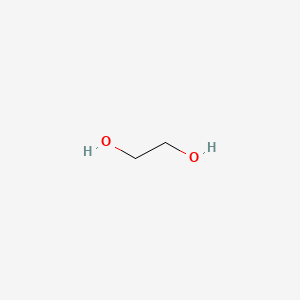
| Formula | C2H6O2 |
|---|---|
| Molecular weight | 62.07 g/mol |
| IUPAC name | ethane-1,2-diol |
| CAS | 107-21-1 |
| PubChem CID | 174 |
| InChIKey | LYCAIKOWRPUZTN-UHFFFAOYSA-N |
| logP | -1.4 (XLogP -1.4) |
| Polar surface area | 40.5 Ų |
| H-bond acceptors / donors | 2 / 2 |
SMILES
C(CO)OBiology & Pharmacokinetics
Pharmacokinetics predicted
| Bioavailability | 70.0% |
|---|---|
| Half-life | 2.132 h |
| Volume of distribution | 0.453 L/kg |
| Protein binding | 19.3% |
| BBB penetrant | Yes |
Enzyme interactions
| Enzyme | Role | Detail |
|---|---|---|
| CYP2C9 | Substrate | — |
Transporters
BCRP (Inhibitor)BSEP (Inhibitor)MRP1 (Inhibitor)OATP1B1 (Inhibitor)OATP1B3 (Inhibitor)P-gp (Inhibitor)P-gp (Substrate)
Registered Products (1)
| Brand | Form / strength | Pack | Agent | Citizen (JOD) |
|---|---|---|---|---|
| Forlax Powder | Powder 10 g | 20 vial | Abu Sharef Medical Stores | 3.020 |