Elective induction of labor is defined as the initiation of labor in a pregnant individual who has no medical indications for induction. Since the available data are inadequate to evaluate the benefit
Mechanism of Action
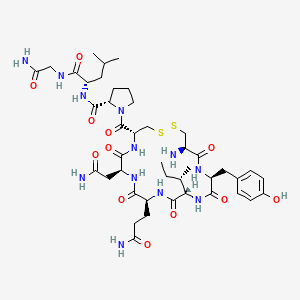
Agonist of Oxytocin receptor — Oxytocin receptor agonist
Contraindications
Source: openFDA
Antepartum use of Pitocin is contraindicated in any of the following circumstances: Where there is significant cephalopelvic disproportion; In unfavorable fetal positions or presentations, such as transverse lies, which are undeliverable without conversion prior to delivery; In obstetrical emergencies where the benefit-to-risk ratio for either the fetus or the mother favors surgical intervention; In fetal distress where delivery is not imminent; Where adequate uterine activity fails to achieve satisfactory progress; Where the uterus is already hyperactive or hypertonic; In cases where vaginal delivery is contraindicated, such as invasive cervical carcinoma, active herpes genitalis, total placenta previa, vasa previa, and cord presentation or prolapse of the cord; In patients with hypersensitivity to the drug. Absolute
Dosing
Source: openFDA
Parenteral drug products should be inspected visually for particulate matter and discoloration prior to administration whenever solution and container permit. The dosage of oxytocin is determined by the uterine response and must therefore be individualized and initiated at a very low level. The following dosage information is based upon various regimens and indications in general use. A. Induction or Stimulation of Labor Intravenous infusion (drip method) is the only acceptable method of parenteral administration of Pitocin for the induction or stimulation of labor. Accurate control of the rate of infusion is essential and is best accomplished by an infusion pump. It is convenient to piggyback the Pitocin infusion on a physiologic electrolyte solution, permitting the Pitocin infusion to be stopped abruptly without interrupting the electrolyte infusion. This is done in the following way. 1. Preparation a. The standard solution for infusion of Pitocin is prepared by adding 1 mL (containing 10 units of oxytocin) to 1000 mL of 0.9% aqueous sodium chloride or Ringer’s lactate. The combined solution containing 10 milliunits (mU) of oxytocin/mL is rotated in the infusion bottle for thorough mixing. b. Establish the infusion with a separate bottle of physiologic electrolyte solution not containing Pitocin. c. Attach (piggyback) the Pitocin-containing bottle with the infusion pump to the infusion line as close to the infusion site as possible. 2. Administration The initial dose should be 0.5–1 mU/min (equal to 3–6 mL of the dilute oxytocin solution per hour). At 30–60 minute intervals the dose should be gradually increased in increments of 1–2 mU/min until the desired contraction pattern has been established. Once the desired frequency of contractions has been reached and labor has progressed to 5–6 cm dilation, the dose may be reduced by similar increments. Studies of the concentrations of oxytocin in the maternal plasma during Pitocin infusion have shown that infusion rates up to 6 mU/min give the same oxytocin levels that are found in spontaneous labor. At term, higher infusion rates should be given with great care, and rates exceeding 9–10 mU/min are rarely required. Before term, when the sensitivity of the uterus is lower because of a lower concentration of oxytocin receptors, a higher infusion rate may be required. 3. Monitoring a. Electronically monitor the uterine activity and the fetal heart rate throughout the infusion of Pitocin. Attention should be given to tonus, amplitude and frequency of contractions, and to the fetal heart rate in relation to uterine contractions. If uterine contractions become too powerful, the infusion can be abruptly stopped, and oxytocic stimulation of the uterine musculature will soon wane (see PRECAUTIONS section). b. Discontinue the infusion of Pitocin immediately in the event of uterine hyperactivity and/or fetal distress. Administer oxygen to the mother, who preferably should be put in a lateral position. The condition of mother and fetus should immediately be evaluated by the responsible physician and appropriate steps taken. B. Control of Postpartum Uterine Bleeding Intravenous infusion (drip method). If the patient has an intravenous infusion running, 10 to 40 units of oxytocin may be added to the bottle, depending on the amount of electrolyte or dextrose solution remaining (maximum 40 units to 1000 mL). Adjust the infusion rate to sustain uterine contraction and control uterine atony. Intramuscular administration. 1 mL (10 units) of Pitocin can be given after the delivery of the placenta. C. Treatment of Incomplete, Inevitable, or Elective Abortion Intravenous infusion of 10 units of Pitocin added to 500 mL of a physiologic saline solution or 5% dextrose-in-water solution may help the uterus contract after a suction or sharp curettage for an incomplete, inevitable, or elective abortion. Subsequent to intra-amniotic injection of hypertonic saline, prostaglandins, urea, etc., for midtrimester
Warnings & Precautions
Source: openFDA
Boxed Warning
Elective induction of labor is defined as the initiation of labor in a pregnant individual who has no medical indications for induction. Since the available data are inadequate to evaluate the benefits-to-risks considerations, Pitocin is not indicated for elective induction of labor.
Warnings & Precautions
Pitocin, when given for induction of labor or augmentation of uterine activity, should be administered only by the intravenous route and with adequate medical supervision in a hospital.