Fluorouracil
JFDA label: 5-FLUOROURACIL Ebewe
- SERIOUS ADVERSE REACTIONS OR DEATH IN PATIENTS WITH COMPLETE DPD DEFICIENCY Increased Risk of Serious Adverse Reactions or Death in Patients with Complete DPD Deficiency Test patients for genetic vari
Mechanism of Action
Inhibitor of Thymidylate synthase — Thymidylate synthase inhibitor; Inhibitor of DNA — DNA inhibitor; Inhibitor of RNA — RNA inhibitor
| Target | Action | Gene / class |
|---|---|---|
| DNA efficacy | INHIBITOR | |
| RNA efficacy | INHIBITOR | |
| Thymidylate synthase efficacy | INHIBITOR | TYMS |
Indications
Approved
- Adenocarcinoma — adenocarcinoma
- Carcinoma, Basal Cell — basal cell carcinoma
- Keratosis — keratosis
- Keratosis, Actinic — actinic keratosis
- Neoplasms — neoplasm
Off-label
- Anus Neoplasms
- Bile Duct Neoplasms
- Biliary Tract Neoplasms
- Breast Neoplasms
- Carcinoid Tumor
- Carcinoma
- Carcinoma, Hepatocellular
- Carcinoma, Islet Cell
- Carcinoma, Merkel Cell
- Carcinoma, Neuroendocrine
- Carcinoma, Non-Small-Cell Lung
- Carcinoma, Pancreatic Ductal
- Carcinoma, Squamous Cell
- Chalazion
- Cholangiocarcinoma
- Colonic Neoplasms
- Colorectal Neoplasms
- Colorectal Neoplasms, Hereditary Nonpolyposis
- Digestive System Diseases
- Digestive System Neoplasms
- Esophageal Neoplasms
- Gallbladder Neoplasms
- Glaucoma
- Head and Neck Neoplasms
- Hepatoblastoma
- Hypopharyngeal Neoplasms
- Inflammatory Breast Neoplasms
- Intestinal Neoplasms
- Kidney Neoplasms
- Klatskin Tumor
- Laryngeal Neoplasms
- Liver Neoplasms
- Lymphoma, AIDS-Related
- Mouth Neoplasms
- Nasopharyngeal Carcinoma
- Nasopharyngeal Neoplasms
- Neoplasm Metastasis
- Neuroendocrine Tumors
- Ovarian Neoplasms
- Pancreatic Neoplasms
- Paranasal Sinus Neoplasms
- Peripheral Nervous System Diseases
- Peritoneal Neoplasms
- Pharyngeal Neoplasms
- Pulmonary Disease, Chronic Obstructive
- Rectal Neoplasms
- Skin Neoplasms
- Squamous Cell Carcinoma of Head and Neck
- Squamous Intraepithelial Lesions
- Stomach Neoplasms
- Thrombosis
- Urethral Neoplasms
- Urinary Bladder Neoplasms
- Uterine Cervical Dysplasia
- Uterine Cervical Neoplasms
- Uterine Neoplasms
- Vitiligo
- Vitreoretinopathy, Proliferative
Class profile
| mechanismClass | Antimetabolite (pyrimidine analogue) |
|---|---|
| targetMolecule | Thymidylate synthase + RNA |
| targetPathway | Pyrimidine synthesis/RNA |
| generation | Classic |
| primaryTumors | Colorectal,Gastric,Breast,Head and neck,Pancreatic |
| resistanceMechanisms | TS overexpression/mutation,Reduced 5-FU activation (OPRT/DPYD),DPD overexpression (catabolism),MSI-H status (some benefit) |
| source | NCCN/OncoKB/Goodman&Gilman13ed |
Contraindications
Source: openFDA
- None. None ( 4 ) Absolute
Adverse Reactions
Vascular disorders (1)
Uncommon Hypotension
Nervous system disorders (3)
Uncommon Cerebellar ataxia · Headache · Somnolence
Gastrointestinal disorders (2)
Common Nausea · Vomiting
Skin and subcutaneous tissue disorders (3)
Uncommon Nail disorder · Photosensitivity reaction · Skin hyperpigmentation
Musculoskeletal and connective tissue disorders (2)
Common Musculoskeletal discomfort · Myalgia
Eye disorders (1)
Common Eye irritation
Infections and infestations (1)
Common Sinusitis
General disorders and administration site conditions (3)
Very Common Application site reaction
Common Ulcer
Uncommon Chest pain
Respiratory, thoracic and mediastinal disorders (1)
Uncommon Dyspnoea
Dosing
Source: openFDA
Warnings & Precautions
Source: openFDA
Boxed Warning
SERIOUS ADVERSE REACTIONS OR DEATH IN PATIENTS WITH COMPLETE DPD DEFICIENCY Increased Risk of Serious Adverse Reactions or Death in Patients with Complete DPD Deficiency Test patients for genetic variants of DPYD prior to initiating fluorouracil unless immediate treatment is necessary. Avoid use of fluorouracil in patients with certain homozygous or compound heterozygous DPYD variants that result in complete DPD deficiency [see Warnings and Precautions ( 5.1 )]. WARNING: SERIOUS ADVERSE REACTIONS OR DEATH IN PATIENTS WITH COMPLETE DPD DEFICIENCY. See full prescribing information for complete boxed warning Serious adverse reactions or death may occur in patients with complete DPD deficiency. Test patients for genetic variants of DPYD prior to initiating fluorouracil unless immediate treatment is necessary. Avoid use of fluorouracil in patients with certain homozygous or compound heterozygous DPYD variants that result in complete DPD deficiency. ( 2.1 , 5.1 )
Warnings & Precautions
Cardiotoxicity : Fluorouracil can cause cardiotoxicity, including angina, myocardial infarction/ischemia, arrhythmia, and heart failure. Withhold fluorouracil for cardiac toxicity. ( 5.2 ) Hyperammonemic Encephalopathy : Altered mental status, confusion, disorientation, coma, or ataxia with elevated serum ammonia level can occur within 72 hours of initiation of fluorouracil. Withhold fluorouracil and initiate ammonia-lowering therapy. ( 5.3 ) Neurologic Toxicity : Fluorouracil can cause acute cerebellar syndrome, confusion, disorientation, ataxia, or visual disturbances. Withhold fluorouracil for neurologic toxicity. ( 5.4 ) Diarrhea : Fluorouracil can cause severe diarrhea. Withhold fluorouracil for severe diarrhea until resolved. ( 5.5 ) Palmar-Plantar Erythrodysesthesia (Hand-Foot Syndrome) : Fluorouracil can cause hand-foot syndrome. If severe, discontinue fluorouracil until resolved or decreased to Grade 1, then resume at a reduced dose. ( 5.6 ) Myelosuppression : Fluorouracil can cause severe and fatal myelosuppression. Withhold fluorouracil until severe myelosuppression resolves, then resume at a reduced dose. ( 5.7 ) Mucositis : Fluorouracil can cause severe mucositis. Discontinue fluorouracil until resolved or decreased to Grade 1, then resume at a reduced dose. ( 5.8 ) Increased Risk of Elevated INR with Warfarin: Concurrent administration with warfarin can result in clinically significant increases in coagulation parameters: Closely monitor INR and prothrombin time. ( 5.9 ) Embryofetal Toxicity : Fluorouracil can cause fetal harm. Advise females and males of reproductive potential of the potential risk to a fetus. ( 5.10 , 8.1 , 8.6 )
Serious Adverse Reactions or Death from Dihydropyrimidine Dehydrogenas
Serious Adverse Reactions or Death from Dihydropyrimidine Dehydrogenase (DPD) Deficiency Patients with certain homozygous or compound heterozygous variants in the DPYD gene known to result in complete or near complete absence of DPD activity (complete DPD deficiency) are at increased risk for acute early-onset toxicity and serious, including fatal, adverse reactions due to fluorouracil (e.g., mucositis, diarrhea, neutropenia, and neurotoxicity). Patients with partial DPD activity (partial DPD deficiency) may also have increased risk of serious, including fatal, adverse reactions. Prior to initiating fluorouracil, test patients for genetic variants of the DPYD gene unless immediate treatment is necessary [see Clinical Pharmacology ( 12.5 )] . Serious adverse reactions may still occur even if no DPYD variants are identified. Avoid use of fluorouracil in patients with certain homozygous or compound heterozygous DPYD variants that result in complete DPD deficiency. Withhold or permanently discontinue fluorouracil based on clinical assessment of the onset, duration, and severity of adverse reactions in patients with evidence of acute early-onset or unusually severe reactions. No fluorouracil dose has been proven safe for patients with complete DPD deficiency. For patients with partial DPD deficiency, individualize the dosage and modify based on tolerability and intent of treatment. An FDA-authorized test for the detection of genetic variants of the DPYD gene to identify patients at risk of serious adverse reactions with fluorouracil treatment is not currently available. Currently available tests used to identify DPYD variants may vary in accuracy and design (e.g., which DPYD variant(s) they identify).
Cardiotoxicity Fluorouracil can cause cardiotoxicity, including angina
Cardiotoxicity Fluorouracil can cause cardiotoxicity, including angina, myocardial infarction/ischemia, arrhythmia, and heart failure, based on postmarketing reports. Reported risk factors for cardiotoxicity are administration by continuous infusion rather than intravenous bolus and presence of coronary artery disease. Withhold fluorouracil for cardiotoxicity. The risks of resumption of fluorouracil in patients with cardiotoxicity that has resolved have not been established.
Hyperammonemic Encephalopathy Fluorouracil can cause hyperammonemic en
Hyperammonemic Encephalopathy Fluorouracil can cause hyperammonemic encephalopathy in the absence of liver disease or other identifiable cause, based on postmarketing reports. Signs or symptoms of hyperammonemic encephalopathy began within 72 hours after initiation of fluorouracil infusion; these included altered mental status, confusion, disorientation, coma, or ataxia, in the presence of concomitant elevated serum ammonia level. Withhold fluorouracil for hyperammonemic encephalopathy and initiate ammonia-lowering therapy. The risks of resumption of fluorouracil in patients with hyperammonemic encephalopathy that has resolved have not been established.
Neurologic Toxicity Fluorouracil can cause neurologic toxicity, includ
Neurologic Toxicity Fluorouracil can cause neurologic toxicity, including acute cerebellar syndrome and other neurologic events, based on postmarketing reports. Neurologic symptoms included confusion, disorientation, ataxia, or visual disturbances. Withhold fluorouracil for neurologic toxicity. There are insufficient data on the risks of resumption of fluorouracil in patients with neurologic toxicity that has resolved.
Diarrhea Fluorouracil can cause severe diarrhea
Diarrhea Fluorouracil can cause severe diarrhea. Withhold fluorouracil for Grade 3 or 4 diarrhea until resolved or decreased in intensity to Grade 1, then resume fluorouracil at a reduced dose. Administer fluids, electrolyte replacement, or antidiarrheal treatments as necessary.
Palmar-Plantar Erythrodysesthesia (Hand-Foot Syndrome) Fluorouracil ca
Palmar-Plantar Erythrodysesthesia (Hand-Foot Syndrome) Fluorouracil can cause palmar-plantar erythrodysesthesia, also known as hand-foot syndrome (HFS). Symptoms of HFS include a tingling sensation, pain, swelling, and erythema with tenderness, and desquamation. HFS occurs more commonly when fluorouracil is administered as a continuous infusion than when fluorouracil is administered as a bolus injection, and has been reported to occur more frequently in patients with previous exposure to chemotherapy. HFS is generally observed after 8 to 9 weeks of fluorouracil administration but may occur earlier. Institute supportive measures for symptomatic relief of HFS. Withhold fluorouracil administration for Grade 2 or 3 HFS; resume fluorouracil at a reduced dose when HFS is completely resolved or decreased in severity to Grade 1.
Myelosuppression Fluorouracil can cause severe and fatal myelosuppress
Myelosuppression Fluorouracil can cause severe and fatal myelosuppression which may include neutropenia, thrombocytopenia, and anemia. The nadir in neutrophil counts commonly occurs between 9 and 14 days after fluorouracil administration. Obtain complete blood counts prior to each treatment cycle, weekly if administered on a weekly or similar schedule, and as needed. Withhold fluorouracil until Grade 4 myelosuppression resolves; resume fluorouracil at a reduced dose when myelosuppression has resolved or improved to Grade 1 in severity.
Mucositis Mucositis, stomatitis or esophagopharyngitis, which may lead
Mucositis Mucositis, stomatitis or esophagopharyngitis, which may lead to mucosal sloughing or ulceration, can occur with fluorouracil. The incidence is reported to be higher with administration of fluorouracil by intravenous bolus compared with administration by continuous infusion. Withhold fluorouracil administration for Grade 3 or 4 mucositis; resume fluorouracil at a reduced dose once mucositis has resolved or decreased in severity to Grade 1.
Increased Risk of Elevated International Normalized Ratio (INR) with W
Increased Risk of Elevated International Normalized Ratio (INR) with Warfarin Clinically significant elevations in coagulation parameters have been reported during concomitant use of warfarin and fluorouracil. Closely monitor patients receiving concomitant coumarin-derivative anticoagulants such as warfarin for INR or prothrombin time in order to adjust the anticoagulant dose accordingly [see Drug Interactions ( 7 )].
Embryofetal Toxicity Based on its mechanism of action, fluorouracil ca
Embryofetal Toxicity Based on its mechanism of action, fluorouracil can cause fetal harm when administered to a pregnant woman. In animal studies, administration of fluorouracil at doses lower than a human dose of 12 mg/kg caused teratogenicity. If this drug is used during pregnancy, or if the patient becomes pregnant while taking this drug, the patient should be apprised of the potential hazard to a fetus. Advise females of reproductive potential and males with female partners of reproductive potential to use effective contraception during and for 3 months following cessation of therapy with fluorouracil [see Use in Specific Populations ( 8.1 , 8.6 ), Clinical Pharmacology ( 12.1 ), and Nonclinical Toxicology ( 13.1 )] .
Pregnancy & Lactation
Pregnancy
Lactation
Most sources consider breastfeeding to be contraindicated during maternal antineoplastic drug therapy. It might be possible to breastfeed safely during intermittent therapy with an appropriate period of breastfeeding abstinence.
Monitoring
| Efficacy | Tumour response (RECIST criteria, tumour markers, imaging); progression-free survival; performance status (ECOG/Karnofsky) |
|---|---|
| Toxicity | CBC with differential (nadir timing depends on agent); LFTs; renal function; ECG (QT for relevant agents); echocardiogram for cardiotoxic agents (anthracyclines, trastuzumab); cumulative dose tracking for dose-limited toxicities |
| Clinical pearl | Treatment response is assessed after 2–3 cycles. Grade 3–4 toxicities typically require dose reduction or interruption per protocol-defined criteria. |
| Counseling | Attend all scheduled blood tests and imaging appointments. Report fever > 38°C (risk of neutropaenic sepsis — medical emergency), unusual bleeding, or new pain immediately. |
Chemistry & Properties
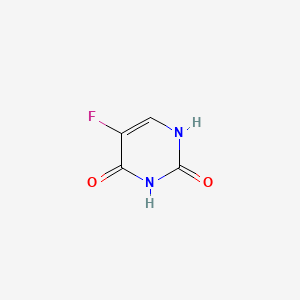
| Formula | C4H3FN2O2 |
|---|---|
| Molecular weight | 130.08 g/mol |
| IUPAC name | 5-fluoro-1H-pyrimidine-2,4-dione |
| CAS | 51-21-8 |
| PubChem CID | 3385 |
| InChIKey | GHASVSINZRGABV-UHFFFAOYSA-N |
| logP | -0.8 (XLogP -0.9) |
| Polar surface area | 65.72 Ų |
| H-bond acceptors / donors | 2 / 2 |
| Drug-likeness (QED) | 0.48 |
| Lipinski violations | 0 |
SMILES
O=c1[nH]cc(F)c(=O)[nH]1Biology & Pharmacokinetics
Pharmacokinetics
| BBB penetrant | No |
|---|
Enzyme interactions
| Enzyme | Role | Detail |
|---|---|---|
| CYP1A2 | Substrate | — |
| CYP3A4 | Substrate | — |
Transporters
BCRP (Inhibitor)BCRP (Inhibitor)BSEP (Inhibitor)CNT2 (Inhibitor)CNT3 (Inhibitor)MATE1 (Inhibitor)MRP1 (Inhibitor)MRP2 (Inhibitor)MRP3 (Inhibitor)MRP4 (Inhibitor)OATP1B1 (Inhibitor)OATP1B1 (Inhibitor)OATP1B3 (Inhibitor)OATP1B3 (Inhibitor)OCT1 (Inhibitor)P-gp (Inhibitor)Transporter(unspecified) (Inhibitor)BCRP (Substrate)ENT1 (Substrate)ENT2 (Substrate)MDR1 (Substrate)MRP3 (Substrate)OAT2 (Substrate)P-gp (Substrate)
Drug–drug interactions (100+, DDInter)
| Interacting drug | Severity | Management |
|---|---|---|
| Adalimumab | major | |
| Anisindione | major | |
| Bacillus calmette-guerin substrain tice live antigen | major | |
| Baricitinib | major | |
| Certolizumab pegol | major | |
| Cladribine | major | |
| Clozapine | major | |
| Deferiprone | major | |
| Dicoumarol | major | |
| Etanercept | major | |
| Fingolimod | major | |
| Folic acid | major | |
| Golimumab | major | |
| Infliximab | major | |
| Leflunomide | major | |
| Leucovorin | major | |
| Levoleucovorin | major | |
| Levomefolic acid | major | |
| Levomefolic acid (calcium) | major | |
| Measles virus vaccine live attenuated | major | |
| Mitomycin | major | |
| Mumps virus strain B level jeryl lynn live antigen | major | |
| Natalizumab | major | |
| Ozanimod | major | |
| Rotavirus vaccine | major | |
| Rubella virus vaccine | major | |
| Samarium (153Sm) lexidronam | major | |
| Siponimod | major | |
| Smallpox (Vaccinia) Vaccine, Live | major | |
| Talimogene laherparepvec | major | |
| Teriflunomide | major | |
| Thalidomide | major | |
| Tofacitinib | major | |
| Typhoid vaccine (live) | major | |
| Upadacitinib | major | |
| Varicella Zoster Vaccine (Recombinant) | major | |
| Warfarin | major | |
| Yellow Fever Vaccine | major | |
| Aldesleukin | moderate | |
| Alefacept | moderate |
Showing 40 of 100+.
Registered Products (3)
| Brand | Form / strength | Pack | Agent | Citizen (JOD) |
|---|---|---|---|---|
| VERRUMAL Solution | Solution 10 %, 0.5 %, 8 g | 13 ml | Reda Jardaneh Drug Store | 3.040 |
| 5-FLUOROURACIL "Ebewe" | Vial 1000 mg/20 ml | 1 vial | Sabbagh Drug Store | — |
| 5-FLUOROURACIL Ebewe | Vial 500 mg/10 ml | 1 vial | Sabbagh Drug Store | — |