Ethanol
JFDA label: JECEPT Ethanol 76%
Mechanism of Action
When used to treat ethylene glycol or methanol toxicity, ethyl alcohol competitively inhibits alcohol dehydrogenase, an enzyme which catalyzes the metabolism of ethylene glycol and methanol to their toxic metabolites. In neurolysis, alcohol will destroy nerves at the site of injection.
Indications
Off-label
- Ethylene glycol overdose (antidote)
- Hypertrophic obstructive cardiomyopathy (HOCM) (septal ablation)
- Methanol overdose (antidote)
Contraindications
Source: Lexicomp
- Hypersensitivity to ethyl alcohol or any component of the formulation Absolute
- pregnancy (prolonged use or high doses at term) Absolute
- seizure disorder and diabetic coma Absolute
- subarachnoid injection of dehydrated alcohol in patients receiving anticoagulants Absolute
Adverse Reactions
Cardiac disorders (3)
Not Known Flushing · hypotension · phlebitis
Nervous system disorders (12)
Not Known Agitation · alcohol intoxication · brain disease · central nervous system depression · coma · disorientation · drowsiness · headache · neuropathy · sedation · seizure (rare) · vertigo
Renal and urinary disorders (2)
Not Known Polyuria · Urinary retention
Metabolism and nutrition disorders (1)
Not Known Hypoglycemia
Gastrointestinal disorders (3)
Not Known Gastric irritation · nausea · vomiting
General disorders and administration site conditions (1)
Not Known Tissue damage
Dosing
Source: Lexicomp
Warnings & Precautions
Source: Lexicomp
Diabetes
Use with caution in patients with diabetes mellitus; ethyl alcohol may decrease blood sugar.
Gout
Use with caution in patients with gout.
Hepatic impairment
Use with caution in patients with hepatic impairment.
Shock
Use with caution in patients with shock. Special populations:
Cranial surgery
Use with caution in patients following cranial surgery.
Infants
Minimize dermal exposure of ethyl alcohol in infants as significant systemic absorption and toxicity can occur. Ethyl alcohol passes freely into breast milk at a level approximately equivalent to maternal serum level.
Pregnancy
Use with caution in pregnant women with anticipated postpartum hemorrhage. Other warnings/precautions:
Administration
Proper positioning of the patient for neurolytic administration is essential to control localization of the injection of dehydrated alcohol (which is hypobaric) into the subarachnoid space; avoid extravasation. Not for SubQ administration. Do not administer simultaneously with blood due to the possibility of pseudoagglutination or hemolysis; may potentiate severe hypoprothrombic bleeding. Avoid extravasation during IV administration.
Appropriate use
When used as a topical antiseptic, improper use may lead to product contamination. Although infrequent, product contamination has been associated with reports of localized and systemic infections. To reduce the risk of infection, ensure antiseptic products are used according to the labeled instructions; avoid diluting products after opening; and apply single-use containers only one time to one patient and discard any unused solution (FDA Drug Safety Communication, 2013).
Monitoring
Clinical evaluation and periodic lab determinations, including serum ethanol levels, are necessary to monitor effectiveness, changes in electrolyte concentrations, and acid-base balance (when used as an antidote). Monitor blood glucose closely, particularly in children as treatment of ingestions is associated with hypoglycemia.
Proper storage
Flammable liquid and should be kept cool and away from any heat source.
Pregnancy & Lactation
Pregnancy
Animal reproduction studies have not been conducted with alcohol injection. Ethanol crosses the placenta, enters the fetal circulation, and has teratogenic effects in humans (AAP 2000; Barceloux 1999). The following withdrawal symptoms have been noted in the neonate following maternal ethanol consumption during pregnancy: Crying, hyperactivity, irritability, poor suck, tremors, seizures, poor sleeping pattern, hyperphagia, and diaphoresis (Hudak 2014). Fetal alcohol syndrome (FAS) is a term referring to a combination of physical, behavioral, and cognitive abnormalities resulting from ethanol exposure during fetal development. Since a "safe" amount of ethanol consumption during pregnancy has not been determined, the AAP recommends those women who are pregnant or planning a pregnancy refrain from all ethanol intake (AAP 2000). When used as an antidote during the second or third trimester, FAS is not likely to occur due to the short treatment period; use during the first trimester is cont
Lactation
Ethanol is excreted in breast milk in concentrations similar to maternal blood concentrations (Koren 2002). Milk production may be decreased and adverse events to the nursing infant may occur (eg, sleep disturbances, impaired motor development or postnatal growth) (Sachs 2013). The actual clearance of ethanol from breast milk is dependent upon the mother's weight and amount of ethanol consumed (Koren 2002). Guidelines recommend to avoid drinking completely, or limit intake to the equivalent of e
Monitoring
| Clinical pearl | Antidotal therapy: Blood ethanol levels every 1-2 hours until steady state, then every 2-4 hours; blood glucose, electrolytes (including serum magnesium), arterial pH, blood gases, methanol or ethylene glycol blood levels; heart rate, blood pressure |
|---|
Chemistry & Properties
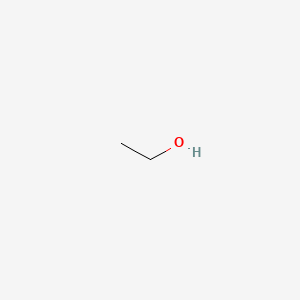
| Formula | C2H6O |
|---|---|
| Molecular weight | 46.07 g/mol |
| IUPAC name | ethanol |
| CAS | 64-17-5 |
| PubChem CID | 702 |
| InChIKey | LFQSCWFLJHTTHZ-UHFFFAOYSA-N |
| logP | 0.0 (XLogP -0.1) |
| Polar surface area | 20.23 Ų |
| H-bond acceptors / donors | 1 / 1 |
| Drug-likeness (QED) | 0.41 |
| Lipinski violations | 0 |
SMILES
CCOBiology & Pharmacokinetics
Pharmacokinetics
| BBB penetrant | Yes (logBB -0.2) |
|---|
Enzyme interactions
| Enzyme | Role | Detail |
|---|---|---|
| CYP1A2 | Substrate | — |
| CYP2B6 | Inhibitor | — |
| CYP2B6 | Substrate | — |
| CYP2C19 | Substrate | — |
| CYP2D6 | Substrate | — |
| CYP3A4 | Substrate | — |
Transporters
BCRP (Inhibitor)BSEP (Inhibitor)MRP1 (Inhibitor)OATP1B1 (Inhibitor)OATP1B3 (Inhibitor)P-gp (Inhibitor)P-gp (Substrate)
Drug–drug interactions (100+, DDInter)
| Interacting drug | Severity | Management |
|---|---|---|
| Acetaminophen | major | |
| Acitretin | major | |
| Amobarbital | major | |
| Benznidazole | major | |
| Buprenorphine | major | |
| Butabarbital | major | |
| Butalbital | major | |
| Cycloserine | major | |
| Dextropropoxyphene | major | |
| Disulfiram | major | |
| Droperidol | major | |
| Eluxadoline | major | |
| Ethionamide | major | |
| Flibanserin | major | |
| Fomepizole | major | |
| Hydrocodone | major | |
| Hydromorphone | major | |
| Leflunomide | major | |
| Levacetylmethadol | major | |
| Lomitapide | major | |
| Metformin | major | |
| Methohexital | major | |
| Methylphenobarbital | major | |
| Metronidazole | major | |
| Mipomersen | major | |
| Morphine | major | |
| Nifurtimox | major | |
| Pentobarbital | major | |
| Pexidartinib | major | |
| Phenobarbital | major | |
| Primidone | major | |
| Secobarbital | major | |
| Sodium oxybate | major | |
| Teriflunomide | major | |
| Thiopental | major | |
| Acarbose | moderate | |
| Acebutolol | moderate | |
| Acetohexamide | moderate | |
| Acetylsalicylic acid | moderate | |
| Acrivastine | moderate |
Showing 40 of 100+.
Registered Products (5)
| Brand | Form / strength | Pack | Agent | Citizen (JOD) |
|---|---|---|---|---|
| JECEPT Ethanol | Solution 76 % | 250 ml pack varies | الشـــــــــــــركــة الاردنية المصرية لصناعة منتجات البحر الميت | — |
| JECEPT Ethanol | Solution 76 % | 200 ml pack varies | الشـــــــــــــركــة الاردنية المصرية لصناعة منتجات البحر الميت | — |
| JECEPT Ethanol | Tablet 76 % | 1 l pack varies | الشـــــــــــــركــة الاردنية المصرية لصناعة منتجات البحر الميت | — |
| JECEPT Ethanol | Tablet 76 % | 4 l pack varies | الشـــــــــــــركــة الاردنية المصرية لصناعة منتجات البحر الميت | — |
| JECEPT Ethanol | Solution 76 % | 50 ml pack varies | الشـــــــــــــركــة الاردنية المصرية لصناعة منتجات البحر الميت | — |