Sirolimus
JFDA label: Rapamune Tab
- Immunosuppression:
- Experienced physician:
- Liver transplantation:
- Lung transplantation:
Mechanism of Action
Inhibitor of Peptidyl-prolyl cis-trans isomerase FKBP1A — FK506-binding protein 1A inhibitor
| Target | Action | Gene / class |
|---|---|---|
| Peptidyl-prolyl cis-trans isomerase FKBP1A efficacy | INHIBITOR | FKBP1A |
Indications
Approved
- Lymphangioleiomyomatosis
- Renal transplantation (rejection prophylaxis)
Off-label
- Acute GVHD (treatment)
- Chordoma (advanced)
- Chronic GVHD treatment
- Graft-versus-host disease (GVHD) prevention
- Heart transplant (prophylaxis of organ rejection and allograft vasculopathy)
- Lung transplantation (rejection prophylaxis)
- Renal angiomyolipoma
Contraindications
Source: Lexicomp
- Hypersensitivity to sirolimus or any component of the formulation Absolute
Adverse Reactions
Cardiac disorders (7)
Not Known chest pain (LAM) · deep vein thrombosis · edema · hypertension · Peripheral edema · pulmonary embolism · tachycardia
Nervous system disorders (3)
Not Known dizziness (LAM) · Headache · pain
Renal and urinary disorders (3)
Not Known Increased serum creatinine · pyelonephritis · Urinary tract infection
Blood and lymphatic system disorders (8)
Not Known Anemia · hemolytic-uremic syndrome · leukopenia · lymphocele · lymphoproliferative disorder · skin carcinoma · thrombocytopenia · thrombotic thrombocytopenic purpura
Metabolism and nutrition disorders (10)
Not Known amenorrhea · diabetes mellitus · hypercholesterolemia · hypermenorrhea · Hypertriglyceridemia · hypervolemia · hypokalemia · increased lactate dehydrogenase · menstrual disease · ovarian cyst
Gastrointestinal disorders (5)
Not Known abdominal pain · Constipation · diarrhea · nausea · stomatitis
Skin and subcutaneous tissue disorders (2)
Not Known Acne vulgaris · skin rash
Musculoskeletal and connective tissue disorders (3)
Not Known Arthralgia · myalgia (LAM) · osteonecrosis
Infections and infestations (3)
Not Known Herpes simplex infection · herpes zoster · sepsis
General disorders and administration site conditions (1)
Not Known Wound healing impairment
Respiratory, thoracic and mediastinal disorders (4)
Not Known epistaxis · Nasopharyngitis (LAM) · pneumonia · upper respiratory tract infection (LAM)
Dosing
Source: Lexicomp
Warnings & Precautions
Source: Lexicomp
Anaphylactic/hypersensitivity reactions
Hypersensitivity reactions, including anaphylactic/anaphylactoid reactions, angioedema, exfoliative dermatitis, and hypersensitivity vasculitis have been reported.
Angioedema
Has been reported; risk is increased in patients with elevated sirolimus levels and/or concurrent use with other drugs known to cause angioedema (eg, ACE inhibitors). Angioedema resolved following discontinuation or dose reduction in some cases.
Infections
Immunosuppressive agents, including sirolimus, increase the risk of infection. Immune suppression may also increase the risk of opportunistic infections including activation of latent viral infections (including BK virus-associated nephropathy), fatal infections, and sepsis. Prophylactic treatment for Pneumocystis jirovecii pneumonia (PCP) should be administered for 1 year post-transplant; prophylaxis for cytomegalovirus (CMV) should be taken for 3 months post-transplant in patients at risk for CMV. Progressive multifocal leukoencephalopathy (PML), an opportunistic CNS infection caused by reactivation of the JC virus, has been reported in patients receiving immunosuppressive therapy, including sirolimus. Clinical findings of PML include apathy, ataxia, cognitive deficiency, confusion, and hemiparesis; promptly evaluate any patient presenting with neurological changes; consider decreasing the degree of immunosuppression with consideration to the risk of organ rejection in transplant patients.
Interstitial lung disease
Cases of interstitial lung disease (ILD) (eg, pneumonitis, bronchiolitis obliterans organizing pneumonia [BOOP], pulmonary fibrosis) have been observed (some fatal); may be associated with pulmonary hypertension (including pulmonary arterial hypertension) and risk may be increased with higher trough levels. ILD may resolve with dose reduction or discontinuation of therapy.
Hyperlipidemia
May increase serum lipids (cholesterol and triglycerides). Use with caution in patients with hyperlipidemia. Monitor cholesterol/lipids; if hyperlipidemia occurs, follow current guidelines for management (diet, exercise, lipid lowering agents). Antihyperlipidemic therapy may not be effective in normalizing levels.
Lymphocele/fluid accumulation
Use has been associated with an increased risk of fluid accumulation and lymphocele. Peripheral edema, lymphedema, ascites, and pleural and pericardial effusions (including significant effusions and tamponade) were reported; use with caution in patients in whom fluid accumulation may be poorly tolerated, such as in cardiovascular disease (heart failure or hypertension) and pulmonary disease.
Malignancy
Immunosuppressive agents, including sirolimus, may be associated with the development of lymphoma and other malignancies, including an increased risk of skin cancer; limit sun and ultraviolet light exposure; use appropriate sun protection.
Proteinuria
Increased urinary protein excretion has been observed when converting renal transplant patients from calcineurin inhibitors to sirolimus during maintenance therapy. A higher level of proteinuria prior to sirolimus conversion correlates with a higher degree of proteinuria after conversion. In some patients, proteinuria may reach nephrotic levels; nephrotic syndrome (new onset) has been reported.
Renal effects
May increase serum creatinine and decrease GFR with long-term combination use of sirolimus and cyclosporine. Immunosuppressed patients are at an increased risk of BK viral-associated nephropathy which may impair renal function and cause graft loss; consider decreasing immunosuppressive burden if evidence of deteriorating renal function. Use with caution in patients concurrently taking medications which may alter renal function.
Wound dehiscence/healing
May be associated with wound dehiscence and impaired healing; use caution in the perioperative period. Patients with a body mass index (BMI) >30 kg/m2 are at increased risk for abnormal wound healing. Disease-related concerns:
Hepatic impairment
Use with caution in patients with hepatic impairment; a reduction in the maintenance dose is recommended. Concurrent drug therapy issues:
Calcineurin inhibitors
Concurrent use with a calcineurin inhibitor (cyclosporine, tacrolimus) may increase the risk of calcineurin inhibitor-induced hemolytic uremic syndrome/thrombotic thrombocytopenic purpura/thrombotic microangiopathy (HUS/TTP/TMA).
Cyclosporine
Safety and efficacy of combination therapy with cyclosporine in high immunologic risk patients have not been studied beyond 12 months of treatment. Monitor renal function closely when combined with cyclosporine; consider dosage adjustment or discontinue in patients with increasing serum creatinine.
Drug-drug interactions
Potentially significant interactions may exist, requiring dose or frequency adjustment, additional monitoring, and/or selection of alternative therapy. Consult drug interactions database for more detailed information.
Vaccines
Immunosuppressants may affect response to vaccination. Therefore, during treatment with sirolimus, vaccination may be less effective. The use of live vaccines should be avoided. Special populations:
Liver transplants
Sirolimus is not recommended for use in liver transplantation; studies indicate an association with an increased risk of hepatic artery thrombosis (HAT), graft failure, and increased mortality (with evidence of infection) in these patients when sirolimus is used in combination with cyclosporine and/or tacrolimus. Most cases of HAT occurred within 30 days of transplant.
Lung transplants
Sirolimus is not recommended for use in lung transplantation. Bronchial anastomotic dehiscence cases have been reported in lung transplant patients when sirolimus was used as part of an immunosuppressive regimen; most of these reactions were fatal.
Renal transplant
In renal transplant patients, de novo use without cyclosporine has been associated with higher rates of acute rejection. Sirolimus may delay recovery of renal function in patients with delayed allograft function. Dosage form specific issues:
Product interchangeability
Sirolimus tablets and oral solution are not bioequivalent, due to differences in absorption. Clinical equivalence was seen using 2 mg tablet and 2 mg solution. It is not known if higher doses are also clinically equivalent. Monitor sirolimus levels if changes in dosage forms are made.
Propylene glycol
Some dosage forms may contain propylene glycol; large amounts are potentially toxic and have been associated hyperosmolality, lactic acidosis, seizures, and respiratory depression; use caution (AAP, 1997; Zar 2007). Other warnings/precautions:
Appropriate use
In renal transplant patients, sirolimus should be used in combination with cyclosporine (and corticosteroids) initially. Cyclosporine may be withdrawn in low-to-moderate immunologic risk patients after 2 to 4 months, in conjunction with an increase in sirolimus dosage. In high immunologic risk patients, use in combination with cyclosporine and corticosteroids is recommended for the first year. Adjustment of immunosuppressive therapy beyond 12 months should be considered based on clinical judgment.
Experienced physician
Should only be used by physicians experienced in immunosuppressive therapy and management of transplant patients. Adequate laboratory and supportive medical resources must be readily available.
Laboratory monitoring
Sirolimus concentrations are dependent on the assay method (eg, chromatographic and immunoassay) used; assay methods are not interchangeable. Variations in methods to determine sirolimus whole blood concentrations, as well as interlaboratory variations, may result in improper dosage adjustments, which may lead to subtherapeutic or toxic levels. Determine the assay method used to assure consistency (or accommodations if changes occur), and for monitoring purposes, be aware of alterations to assay method or reference range and that values from different assays may not be interchangeable.
Pregnancy & Lactation
Pregnancy
Adverse events have been observed in animal reproduction studies. Effective contraception must be initiated before therapy with sirolimus and continued for 12 weeks after discontinuation. The National Transplantation Pregnancy Registry (NTPR) is a registry which follows pregnancies which occur in maternal transplant recipients or those fathered by male transplant recipients. The NTPR encourages reporting of pregnancies following solid organ transplant by contacting them at 877-955-6877 or NTPR@giftoflifeinstitute.org.
Lactation
It is not known if sirolimus is excreted in breast milk. Due to the potential for serious adverse reactions in the nursing infant, the manufacturer recommends a decision be made whether to discontinue nursing or to discontinue the drug, taking into account the importance of treatment to the mother.
Monitoring
| Clinical pearl | Monitor LFTs and CBC during treatment. Monitor sirolimus levels in all patients (especially in pediatric patients, patients ≥13 years of age weighing Note: Concentrations and ranges are dependent on and will vary with assay methodology (chromatographic or immunoassay); assay methods are not interchangeable. |
|---|
Chemistry & Properties
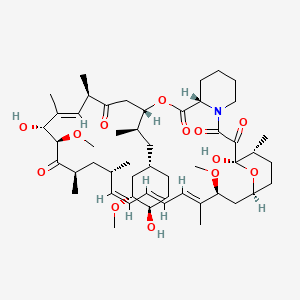
| Formula | C51H79NO13 |
|---|---|
| Molecular weight | 914.19 g/mol |
| IUPAC name | (1R,9S,12S,15R,16E,18R,19R,21R,23S,24E,26E,28E,30S,32S,35R)-1,18-dihydroxy-12-[(2R)-1-[(1S,3R,4R)-4-hydroxy-3-methoxycyclohexyl]propan-2-yl]-19,30-dimethoxy-15,17,21,23,29,35-hexamethyl-11,36-dioxa-4-azatricyclo[30.3.1.04,9]hexatriaconta-16,24,26,28-tetraene-2,3,10,14,20-pentone |
| CAS | 53123-88-9 |
| PubChem CID | 5284616 |
| InChIKey | QFJCIRLUMZQUOT-HPLJOQBZSA-N |
| logP | 6.18 (XLogP 6.0) |
| Polar surface area | 195.43 Ų |
| H-bond acceptors / donors | 13 / 3 |
| Drug-likeness (QED) | 0.16 |
| Lipinski violations | 3 |
SMILES
CO[C@H]1C[C@@H]2CC[C@@H](C)[C@@](O)(O2)C(=O)C(=O)N2CCCC[C@H]2C(=O)O[C@H]([C@H](C)C[C@@H]2CC[C@@H](O)[C@H](OC)C2)CC(=O)[C@H](C)/C=C(\C)[C@@H](O)[C@@H](OC)C(=O)[C@H](C)C[C@H](C)/C=C/C=C/C=C/1CBiology & Pharmacokinetics
Pharmacokinetics predicted
| Bioavailability | 70.0% |
|---|---|
| Half-life | 2.262 h |
| Volume of distribution | 1.409 L/kg |
| Protein binding | 95.1% |
| BBB penetrant | No |
Enzyme interactions
| Enzyme | Role | Detail |
|---|---|---|
| CYP2B6 | Inhibitor | — |
| CYP2C19 | Inhibitor | IC₅₀ 4.000000000000001 µM |
| CYP2C8 | Inhibitor | — |
| CYP2C9 | Inhibitor | IC₅₀ 2.0000000000000004 µM |
| CYP3A4 | Inhibitor | IC₅₀ 2.0000000000000004 µM |
| CYP3A4 | Substrate | — |
Receptor binding (top 1)
| Target | Action | Affinity |
|---|---|---|
| FKBP prolyl isomerase 1A (FKBP1A) | Inhibitor | pKi 9.7 |
Transporters
BCRP (Inhibitor)BCRP (Inhibitor)BSEP (Inhibitor)BSEP (Inhibitor)MDR1 (Inhibitor)MRP1 (Inhibitor)MRP2 (Inhibitor)OATP1A2 (Inhibitor)OATP1B1 (Inhibitor)OATP1B1 (Inhibitor)OATP1B3 (Inhibitor)OATP1B3 (Inhibitor)P-gp (Inhibitor)MDR1 (Substrate)OATP1A2 (Substrate)OATP1B1 (Substrate)OATP1B3 (Substrate)P-gp (Substrate)Transporter(unspecified) (Substrate)
Drug–drug interactions (100+, DDInter)
| Interacting drug | Severity | Management |
|---|---|---|
| Acyclovir | major | |
| Adalimumab | major | |
| Amikacin | major | |
| Amikacin (liposome) | major | |
| Amphotericin B | major | |
| Amphotericin B (cholesteryl sulfate) | major | |
| Amphotericin B (lipid complex) | major | |
| Amphotericin B (liposomal) | major | |
| Amprenavir | major | |
| Apalutamide | major | |
| Atazanavir | major | |
| Bacillus calmette-guerin substrain tice live antigen | major | |
| Bacitracin | major | |
| Balsalazide | major | |
| Baricitinib | major | |
| Boceprevir | major | |
| Bromfenac | major | |
| Capreomycin | major | |
| Carbamazepine | major | |
| Celecoxib | major | |
| Ceritinib | major | |
| Certolizumab pegol | major | |
| Cidofovir | major | |
| Cisplatin | major | |
| Cladribine | major | |
| Clarithromycin | major | |
| Clotrimazole | major | |
| Cobicistat | major | |
| Colistimethate | major | |
| Conivaptan | major | |
| Deferasirox | major | |
| Delavirdine | major | |
| Diatrizoate | major | |
| Diclofenac | major | |
| Diflunisal | major | |
| Enzalutamide | major | |
| Erythromycin | major | |
| Etanercept | major | |
| Etidronic acid | major | |
| Etodolac | major |
Showing 40 of 100+.
Registered Products (1)
| Brand | Form / strength | Pack | Agent | Citizen (JOD) |
|---|---|---|---|---|
| Rapamune Tab | Tablet 1 mg | 30 tab | Petra Drug Store | 119.890 |